Queen Quail on Memory, Music, and the Spaces Between
There’s a quiet power in noticing the small, fleeting moments — a glimpse of a bird in a greenhouse, the tremor of a memory — and letting them shape an entire world. For Queen Quail, the Berlin-based project of Milwaukee-born singer-songwriter Kirstin Edwards, that is exactly what music has become: a way to translate intimate, often ineffable experiences into sound.
Her newly released debut EP, Narcissus, is a testament to that delicate balance. Across six tracks, the record navigates grief, self-discovery, and memory with shimmering indie-pop textures and subtle nods to folk and alt-country. The EP is, as Queen Quail herself describes it, “both a mirror and a map,” reflecting past self-questioning while pointing toward new horizons of growth.
Through Narcissus, Queen Quail stakes her claim as a singular, soothsaying voice — one that is both intimately personal and profoundly universal.
KP: You grew up in Milwaukee and now live in Berlin, two places with very distinct creative energies. How have these environments shaped not just your sound but also your sense of self as an artist?
QQ: Milwaukee is a place that I associate with comfort and safety; it’s where my foundation was built. I grew up listening to a lot of music in the car with my mom, and I have so many memories from high school of driving to soccer practice or cello lessons, running along Lake Michigan with my angsty indie playlists. Those experiences really shaped my emotional relationship with music. Berlin, on the other hand, has been more of a space for exploration. Moving here opened up this new chapter of expansion, where I’ve developed a deeper sense of self while being exposed to so much creative input and possibility.
KP: You’ve said that the name Queen Quail came from a quiet moment in Berlin’s botanical garden. Can you tell me more about that encounter and how it came to reflect your artistic identity?
QQ: I was walking through the botanical gardens back in 2019 and saw these dwarf quails in the greenhouse. They were so sweet and gentle but also energetic, bustling around the enclosure. They really struck me — so much so they made me cry — so the name Queen Quail stuck with me over the years.
KP: I wanted to book this chat immediately after hearing “Last Night.” It struck me immediately — that warm, nostalgia-soaked sound felt like an alternate version of folk or country, something dreamier and exceedingly elastic. I don’t usually gravitate toward those genres, but this track pulled me in and expanded my sense of what they could be, which is a huge compliment. I love it!
Could you talk a bit about how you approached its soundscape and production?
QQ: I love that! We listened to a lot of country music growing up. My grandpa used to burn my mom CDs of the old timers and more modern country singers. When it came time to approach the production, I was digging back through these songs and realized that there were these super subtle country references showing up in my writing anyway, so I wanted a bit of reference in the production as well. The EP is really more folky-pop than country, but I feel like we did a good job of balancing pop with folk and country.
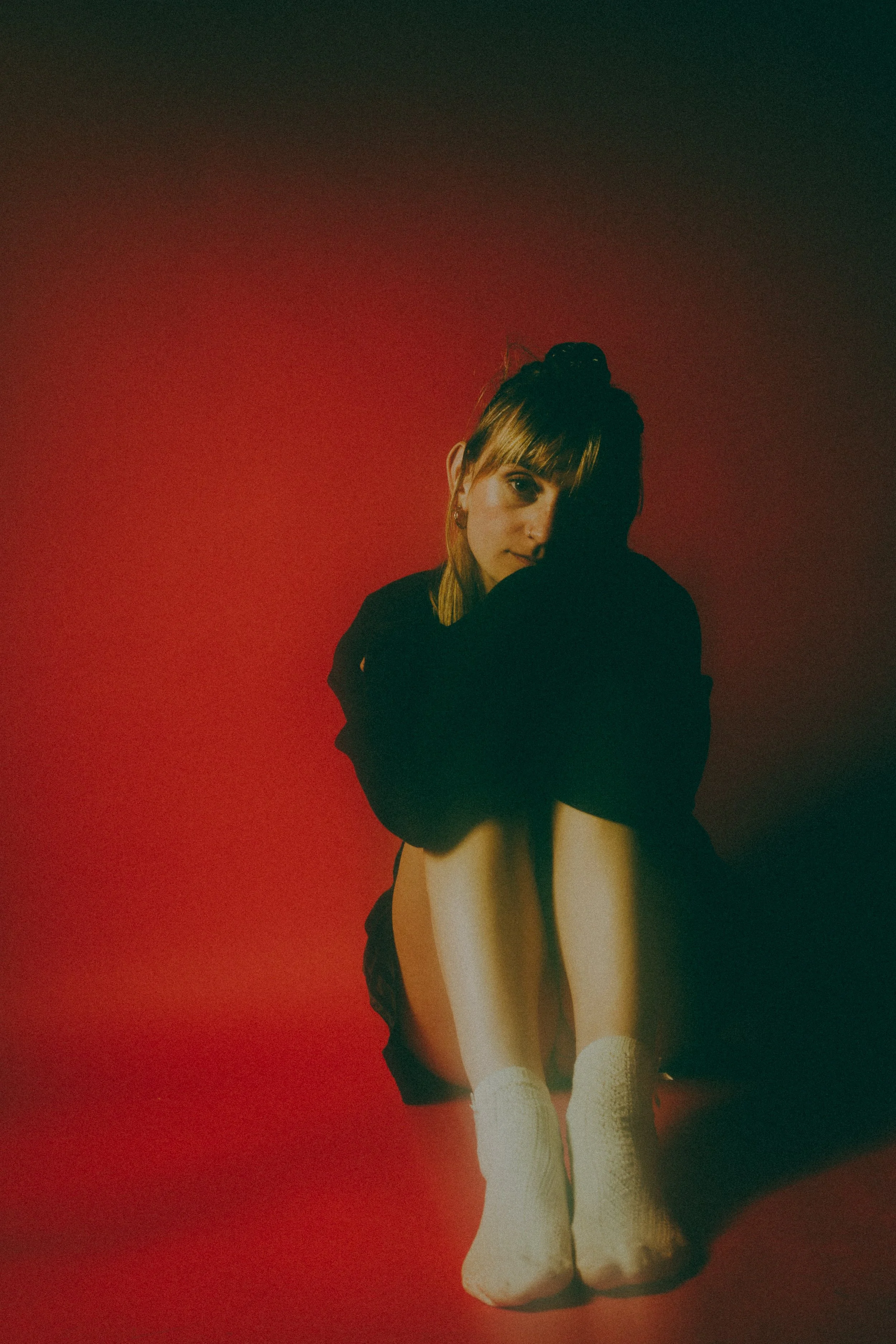
“Take up space, fill the room, and let your curiosity guide you.”
KP: You definitely did!
“Last Night” in particular draws from a memory of your grandfather’s passing and the strange experience of inhabiting a body. What was it like to translate something so intimate and existential into a piece of music?
QQ: It was pretty automatic! The guitar riff came to me quickly, and then the first lyric, “Last night I thought I heard a lullaby,” too. I’m not sure why embodiment and my grandfather’s passing ended up in the same song — maybe because they relate to death. I try not to think too much about the meaning while writing and just let whatever comes up speak for itself.
KP: Well, it works!
Your debut EP, Narcissus, has been described as a story of resilience, self-discovery, and overcoming. What does that title mean to you personally, and how did the project take shape from its earliest inspirations to its final form?
QQ: Narcissism is a big word in the culture today. When I wrote the EP, I was going through a lot of self-questioning, its own form of being transfixed by your own reflection, and the EP explores how I moved beyond that. So Narcissus is less about vanity and more about what happens when you confront yourself honestly and then grow from it.
KP: You’ve mentioned reading Freud and Lacan while writing much of the record. How did that immersion in psychoanalysis and philosophy influence your writing, either lyrically or in how you thought about creating?
QQ: I try to let my unconscious mind speak when I’m writing. I don’t like to think of a topic and then force a song around it; I prefer to just see what words come up automatically. Then, after a song is done, it’s interesting to look back at it and see what I was really writing about without necessarily meaning to.
KP: Building on that, there’s this subtle critique in your reflections — of capitalism and of the self under pressure — that threads through the record. Do you see your music as a space for philosophical or even political inquiry?
QQ: Yes, at times. I don’t set out to make political statements — at least in my music — but I think when you write honestly about your life, you inevitably touch on the systems that you live within.
KP: I love your description of the EP as both a “mirror and a map.” What do you feel it’s reflecting back to you, and where do you sense it’s guiding you next?
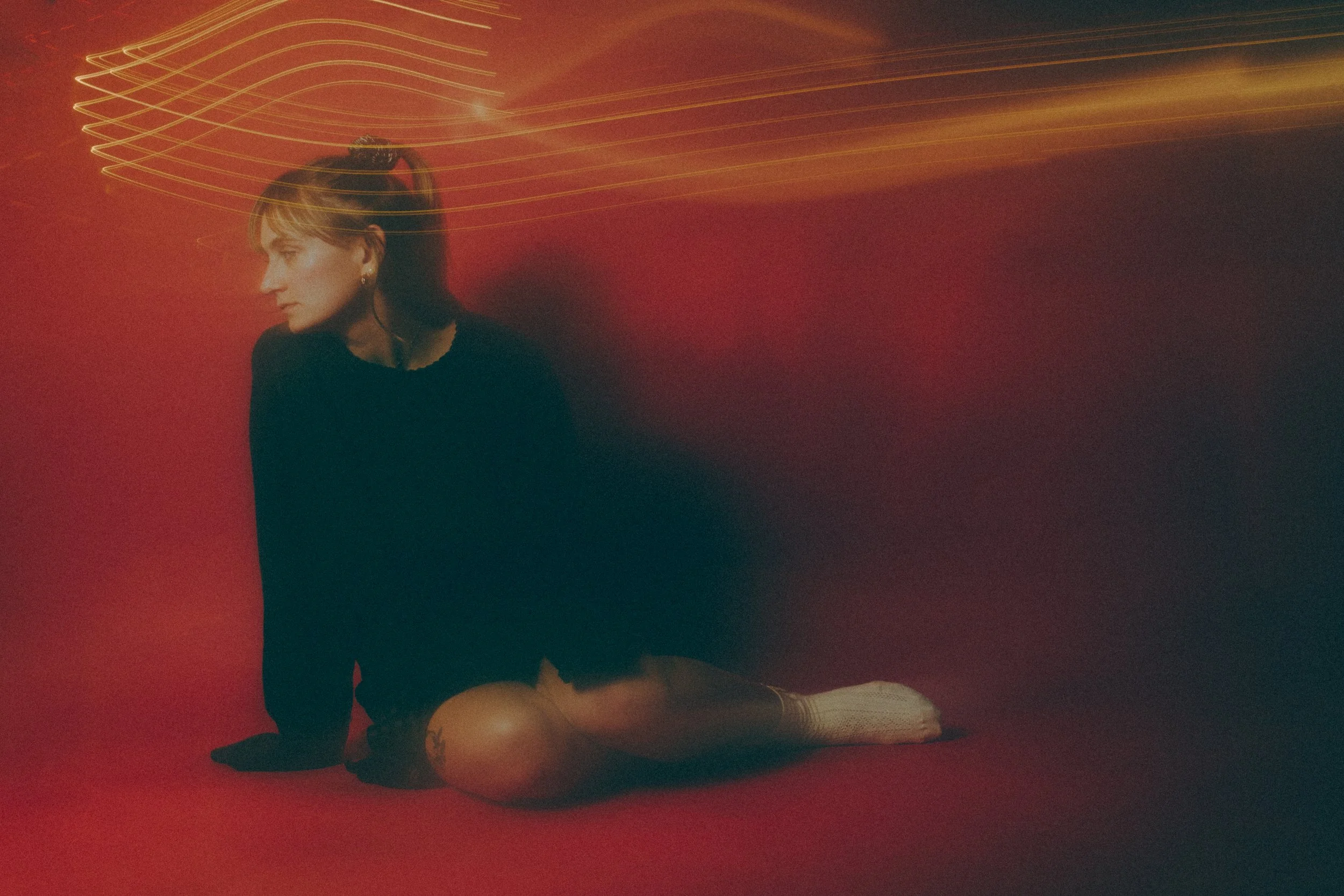
“Trust your vision, take care of the people that you chose to include in your process, and let things happen in due time.”
QQ: It's such a timestamp of what I was experiencing at the time of writing and somehow gives me permission to move on from that time.
KP: Music Board Berlin described your work as “haunting beauty” that invites listeners to “feel and be,” which I found quite fitting. What do you hope listeners feel most when they step into the world of Narcissus?
QQ: I really hope that listeners feel what they need from it and feel safe to do exactly that.
KP: You’ve shared that Dan English of Porches encouraged you to start touring as a guitarist — I’ve been listening to “Rag” a lot lately; it’s such a great track. How did that moment of encouragement influence your confidence as both a performer and a songwriter?
QQ: “Rag” is a banger!
KP: It is!
QQ: That was a special moment. I was really just starting to play live, so the encouragement was super validating. It’s really stuck with me over the years.
KP: For newer songwriters finding their footing, what advice would you offer, especially about staying authentic and grounded in their creative process?
QQ: Trust your vision, take care of the people that you chose to include in your process, and let things happen in due time.
KP: What advice would you lend women about life, work, or love?
QQ: Take up space, fill the room, and let your curiosity guide you.
KP: What do you feel makes a provocative woman?
QQ: I think what makes me a provocative woman is the range of experiences and interests that I’ve allowed myself to explore. My life has had many chapters: nearly going to graduate school for physics, running marathons, building a life in Europe, reading philosophy, making music, and building deep, lasting friendships. I’m proud of all of them and of the curiosity that connects them. That kind of intellectual and emotional richness feels provocative to me — not in how it looks, but in how it resists being one-dimensional.
Photography: Celeste Call