Fefe Dobson on Rock and Roll, Authenticity, and the Power of Perseverance
Long before conversations around genre fluidity, representation, and authenticity became industry buzzwords, Fefe Dobson was already living them — whether the industry was ready or not.
Emerging in the early 2000s with a sound that fused pop sensibility with punk grit, Dobson never fit neatly into the boxes that labels tried to place her in. That, in many ways, was the point — and also the problem.
At a time when pop was polished and prescriptive, Dobson stood apart. She was loud, emotional, and unapologetically herself, drawing as much from Avril Lavigne and Joan Jett as she did from the Top 40. But as a Black woman in a predominantly white, male-dominated rock space, her presence challenged an industry that had long relied on narrow definitions of who — and what — was considered marketable. The result was a career marked not only by undeniable influence, but by moments of erasure, misdirection, and resilience in the face of both.
And yet, her legacy has only grown more pronounced with time. In an era where a new generation of artists is reclaiming pop-punk and alternative rock on their own terms, Dobson’s early contributions feel not only relevant, but foundational. She was doing the work before there was language for it — and well before there was widespread support for it.
Her historic legacy is one of both disruption and endurance — creating space where none existed, and defiantly leaving it open for everyone who followed.
KP: I’m so stoked to have you. I watched your chat with the Legacy Lounge when it came out about a month ago, and it really spoke to me. It truly affected me personally — I related to so much of what you were talking about. I wanted to expand on that here, because I think what you were discussing was really important.
You recounted that music execs found you “too confusing” and shelved your album, but then gave the same songs that you had written to other artists, including Miley Cyrus, just seven months later. There’s so much to unpack there, which I believe ties into this overarching theme of palatability — or the perceived palatability — of certain artists to a wider audience.
If we’re talking about Miley Cyrus circa ’07, we’re talking about an artist who was highly sanitized and easy to market, and you have always been a woman who has remained so raw and authentic in who you are, in the way that you’ve presented yourself. And of course, in my opinion, it would be naive to overlook the aspect of race — still today, for sure, but particularly in the mid-to-late aughts. Everyone knows Courtney Love, of course, but do they know Tina Bell? Because they should.
FD: Exactly.
KP: So I wanted to leave this rather open-ended for you. I’m really curious as to what went through your mind at the time — what you attributed that disconnect to. And I think, most importantly — and this speaks so much to your personal strength and your own constitution — how did you move past that and continue your artistry after going through something so shattering? I can only imagine.
FD: I started when I was so young — I was 17, and I think the first album was written when I was around 16. I was kind of naive to it, because I was in this whirlwind of traveling and touring and seeing things that I had never seen before and experiencing things that I had never experienced before. So I wasn’t really tuned in to hearing the responses or the question marks around me as an artist.
But there were a lot. And I found that, as I got older, people would say to my old manager all the time, “How do you really expect this to work — this Black girl doing rock and roll?” That was what was kind of seeping through the grapevine.
I love pop music and I love pop melodies, but my stage performance and the way I carry myself have always been rooted in the rock world, because that’s what I gravitated toward as a kid. Yes, I could go to an NSYNC show — but then I’d be listening to GNR, you know? So I was always immersed in so much music as a kid, but guitar just made sense to who I was. The angst, growing up in a broken home — it all made sense to me.
KP: I relate!
FD: So I didn’t really understand what was going on. That’s the truth. And I will say, it is interesting — Miley and Selena doing the songs; I love them too. They really gave those songs a new life in their own way, and they pushed me to continue when I was really down about Sunday Love being shelved.
I don’t know why it made more sense for them. There are a lot of logistics and things that happen behind the scenes that you just don’t know about. Some artists get treated badly. I’ve been fortunate, though, in many ways, because somehow I’ve always been able to come back from the dead every time. Like some Buffy moment. There’s a scene where she comes back to life and literally puts her hand through the dirt. [Laughs] That’s what it feels like — always coming back. I could have sat in it and been like, why does that work for that person and not for me? But there are so many other factors. You question things a lot in this industry — the entertainment industry is not for the weak.
KP: No, not at all. I relate to a lot of that. I come from the fashion world, and I got my start when I was just 14. I didn’t mean to succeed in it at all, though — I was primarily an artist and a musician. My uncle was an incredible drummer — he played with the Ramones at CBGBs in the ’70s. We lost him in a car accident 20 years ago just the other day, actually.
FD: Oh, wow. I’m so sorry.
KP: Yeah, it was tragic. I had his influence very early in my life, and then I lost it. We listened to Pink a lot — we always played Missundaztood when I was a kid, because that was the kind of pop that we could connect to. So, for me too, rock has always been a huge influence in my life.
But then I became successful in the fashion industry very accidentally when I was 14, and they tried to turn me into something that I wasn’t. It took me a very long time — with agents, managers, publicists, all of that — to come out on the other side years later and say, “This is not who I am.”
For you it might have been a racial thing, but for me, well, I’m just your stereotypical native New Yorker, half-Irish, half-Italian bitch. [Laughs] But I’m gay. So when I was young, that was my thing in the industry — publicists constantly turning to me and saying, “We need to put you with a guy,” or something like that.
So, again, it always comes down to that idea of being changed, of being processed, of being sanitized into the least common denominator that the public can accept.
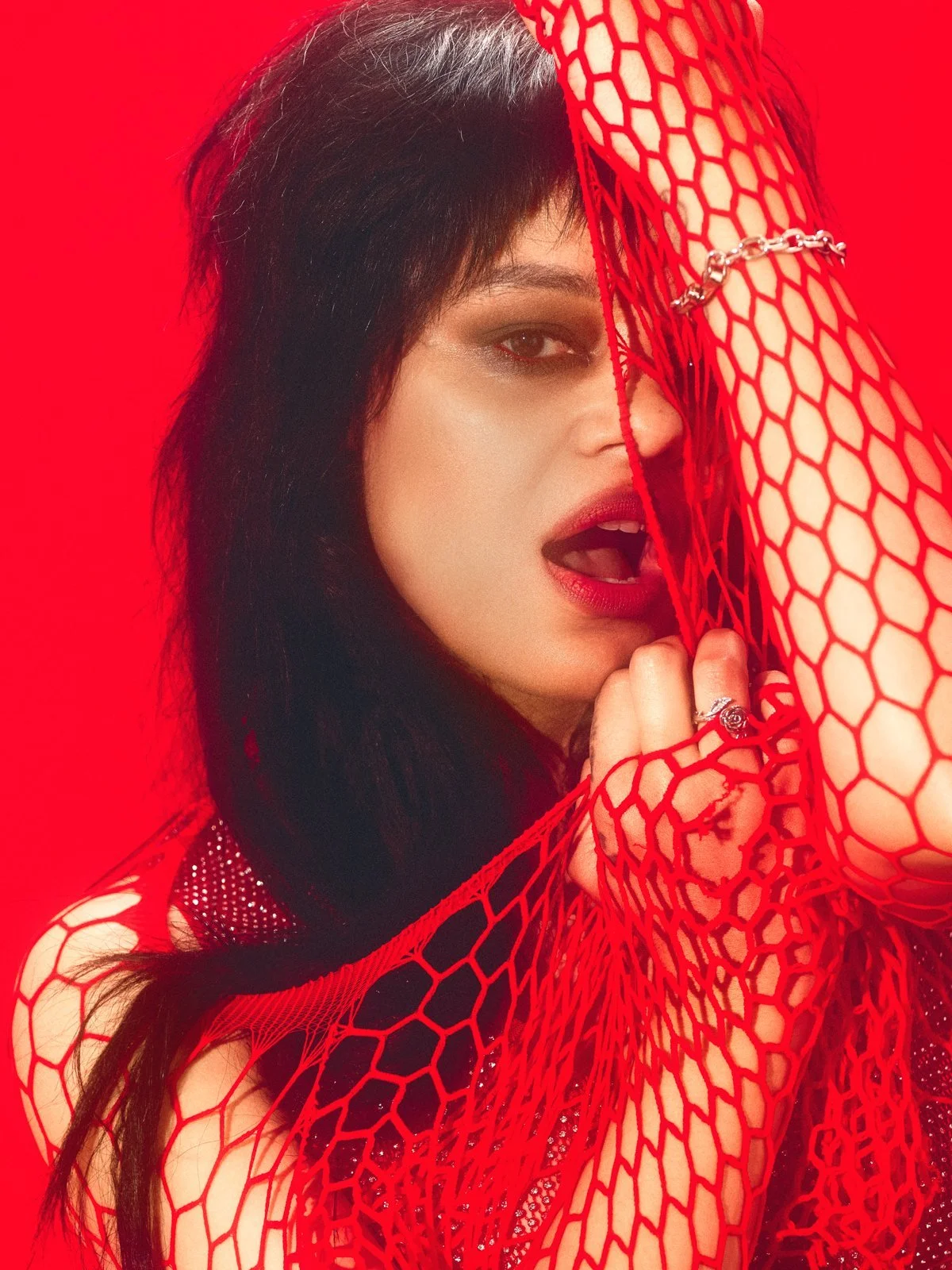
“For me, a leather jacket felt like a second skin — like armor. My eyeliner and the way that I presented myself felt like protection. It was my way of navigating everything.”
FD: Right! And when you’re young, you don’t really know. Something might feel off, but you can’t quite place it, because you’re dealing with so many other things. You’re worried about your skin, about fitting into your jeans, about looking different than other people, about figuring out your own body, or why someone didn’t call you back. There’s so much going on that it’s hard to pinpoint exactly what’s happening around you.
KP: Similarly, early in your career, there seemed to be this immense pressure to position you within R&B rather than rock. How explicit do you feel that pressure was behind the scenes? And, more importantly, how did you find the strength to stay authentic and to say that wasn’t the box that you wanted to be in.
FD: For me, a leather jacket felt like a second skin — like armor. My eyeliner and the way that I presented myself felt like protection. It was my way of navigating everything.
I had to figure it out. When I first started, I had the curly ponytail, the tank tops — I still had my Converse, but I was figuring out what my uniform was. But once I found it, it clicked. When you see me on stage now, it’s leather — that’s my protection.
I don’t think I ever overthought it. It was just instinctual. I’ve always been very opinionated, but I follow my heart all the time — for better or worse. Sometimes it’s led me to great places, and other times I’ve thought, Why did I follow my heart there? [Laughs] But I do believe that everything happens for a reason.
KP: Me too. We could talk about that forever!
FD: Even the bad turns weren’t really bad, because they taught me something. They helped me evolve and grow spiritually. Following my heart has always been the best thing for me.
That extends to everything — the way that I dress, the way that I move through the world. People might not understand it, but it feels right to me.
KP: So many other women that I speak to — especially in rock — have struggled with acceptance in such a male-dominated genre. When you started releasing more rock or punk-leaning music, did you ever feel that you had to prove your authenticity in the space in a way that your peers didn’t?
FD: I think subconsciously, yes. When I would perform with all the guys — the punk bands — I think I pushed myself to go even harder, to be more wild, like I had something to prove.
But I never felt that way with the women. Artists like Avril and Ashlee Simpson — I always felt a sense of connection with them. The pop-punk and rock-pop girls in the early 2000s, it felt like we wanted to support each other. At least I did.
There were so many of us coming out with this energy — we’re not going to be perfect. We’re not going to have flawless makeup. We’re going to have eyeliner running down our faces. It wasn’t even intentional — it just didn’t feel right to present any other way.
At the same time, you had Britney, Christina, Jessica Simpson — this very polished version of pop. And then we came in with something messier, more raw.
And I love pop! I’m a huge pop fan. I had a giant Britney Spears poster on the back of my door. I just love music.
KP: Me too! I’m a huge Top 40 fan — always have been.
As someone who’s been cast aside or misrepresented at times in your career, do you feel that your contributions to pop-punk or alternative rock have been fully recognized?
FD: I think that they are being recognized more now. Artists today are more aware — they’ve done their research, and they show love to the people who came before them.
Like Willow, for example — how she showed love in that Legacy Lounge segment — things like that matter. It’s about giving credit and showing appreciation to the artists who helped pave the way.
And I do that, too! I talk about Joan Jett, about Tina Turner — especially Tina, as a Black woman breaking through in rock. Their struggles were very real. It’s important to give flowers to those before you.
KP: Absolutely. I feel very passionately about giving flowers to those who came before us. My favorite mentors — some of my favorite women who ever affected culture — are almost 40 years older than me, and I wouldn’t have it any other way.
That said, how do you hope younger artists — especially Black women in rock — interpret your career?
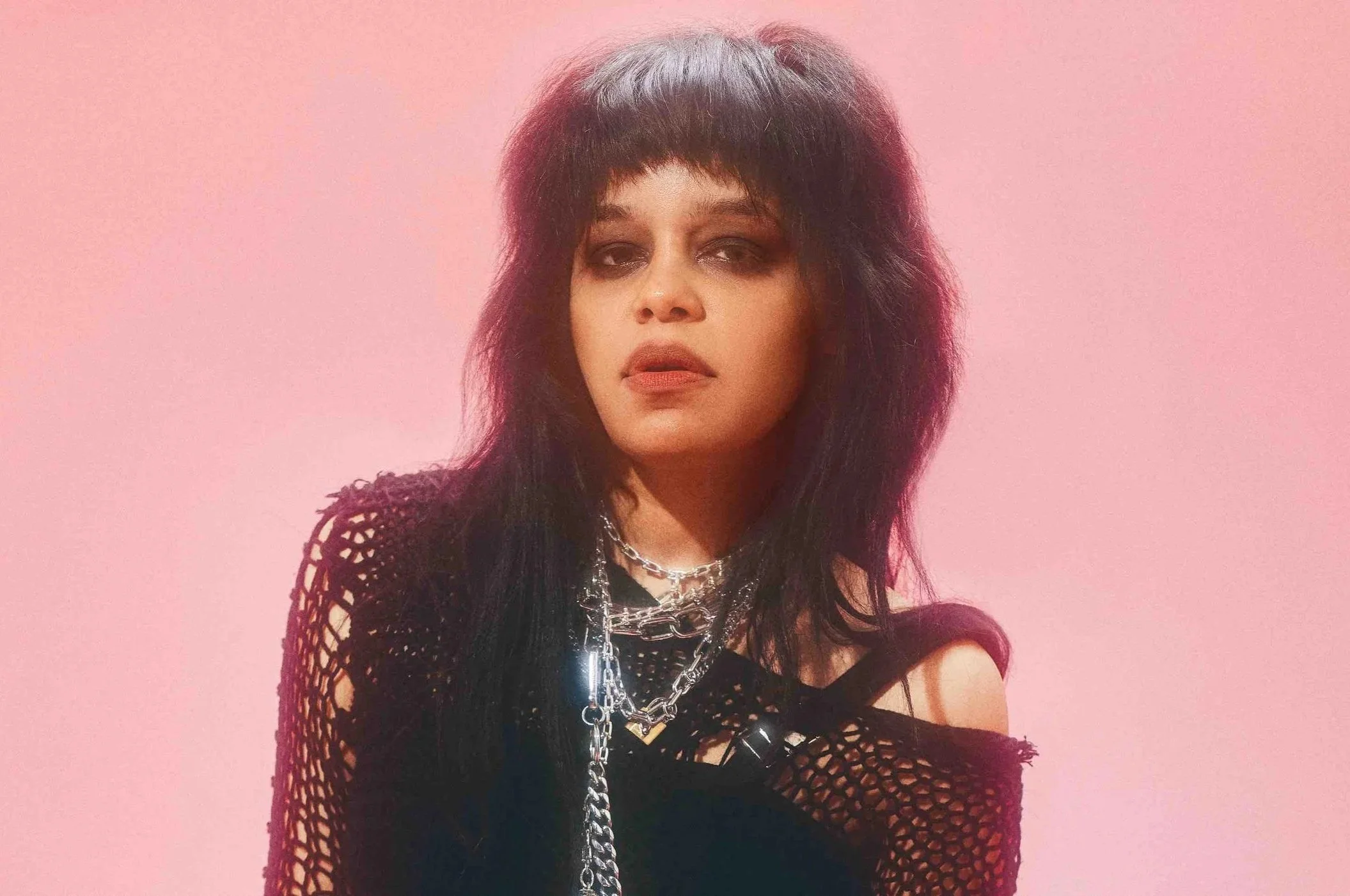
“If you see someone doing it before you, it can light a fire in you and make you believe that there’s space for you as well. And if there isn’t space, then create it. Tear it open, because there should be space for everyone.”
FD: I hope that they see that they can do it too. That’s the most important thing. If you see someone doing it before you, it can light a fire in you and make you believe that there’s space for you as well. And if there isn’t space, then create it. Tear it open, because there should be space for everyone.
What frustrates me is that people forget the history of rock and roll. If people really understood where it came from, there wouldn’t even be a question about our place in it.
KP: Absolutely. And, speaking of that, things have changed so much in the last 20 years — but in some ways, maybe they haven’t. Have you seen real changes in the industry for artists who don’t fit the traditional mold?
FD: It’s hard to say. You can tell people to educate themselves more, to support more, to go to shows — but at the same time, it should just be natural. Just love music and love people.
KP: Well, I believe that a lot of the issues exist at the top — with executives. They think that things aren’t palatable when they actually are. They hold things back because they assume the audience won’t accept them, when in reality, they probably would.
FD: Exactly. Support matters. Numbers matter. At the end of the day, they follow the money.
KP: Right.
And to switch gears a little bit, in that chat, you also spoke about not having a Plan B, which I think is so important. The road to Plan A is always hard, and if you have a backup, you will very likely fall back on it.
What advice would you give to women who are afraid of committing fully to their dream?
FD: Being a little crazy helps. [Laughs] I’m joking, but not really.
KP: No, it’s very real!
FD: I don’t have a perfect answer, because I do think that some people are wired to push through hard things more than others. But I do believe that we’re all capable.
For me, growing up in a home where I was always trying to be seen, heard, and safe — I think that gave me tools to persevere.
Plan A is always hard. You have to keep pushing and keep your blinders on. But if it stops making you happy, then take a step back. That doesn’t mean going to Plan B — it just means giving yourself space until Plan A feels right again. It’s all about patience. Finding another way through it. But not giving up.
KP: I think that’s great advice.
What would you tell your younger self?
FD: I’d just say that everything’s going to be okay. Relax. Everything is going to be okay.
KP: What advice would you lend women in life, work, or love?
FD: Honestly, the same thing. Everything is going to be okay. But love? Love is everything for me. It’s always been the theme of my life. It sounds cliché, but it’s true: all you need is love. That’s real. That’s what matters in the end.
KP: And finally, what do you feel makes a provocative woman?
FD: That’s a good question. I’ve never been asked that before.
For me, right now, it’s something really personal. It’s looking into my boyfriend’s eyes. He has the most beautiful blue-gray eyes that I’ve ever seen. It’s provocative because I feel shy, but also powerful at the same time. It’s intimate and beautiful, and it makes me feel like I’ve found my person.
Photography: Mark Binks