Suzanne Ciani on Artistry, Independence, and a Pioneering Life in Sound
Suzanne Ciani was creating the future of electronic music long before the world knew how to listen to it.
Across a career spanning more than five decades, the composer, performer, and sound designer has continually pushed against the boundaries of what music could be — embracing technology not as something cold or mechanical, but as an instrument for intimacy, sensuality, and deeply individual expression.
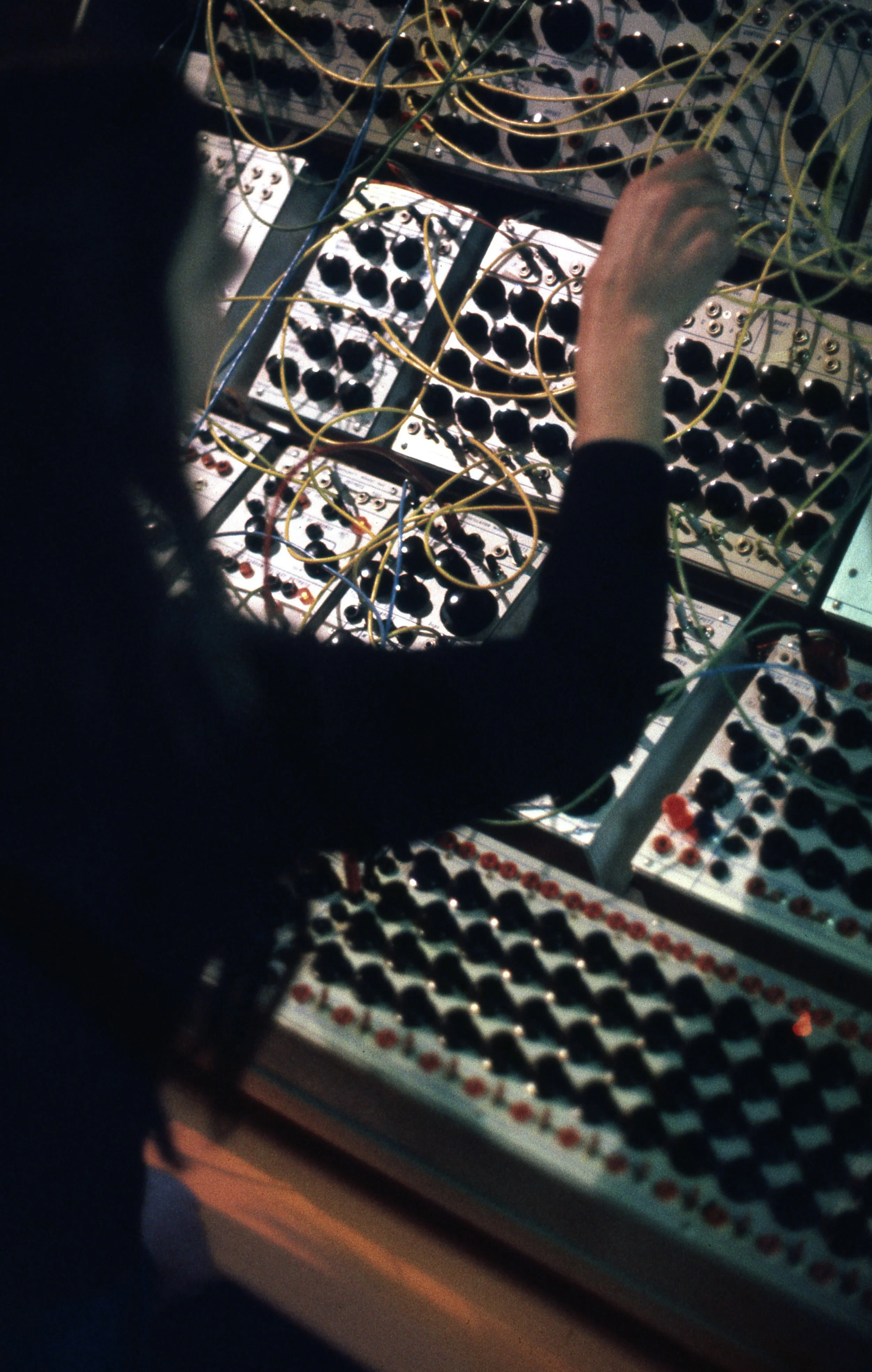
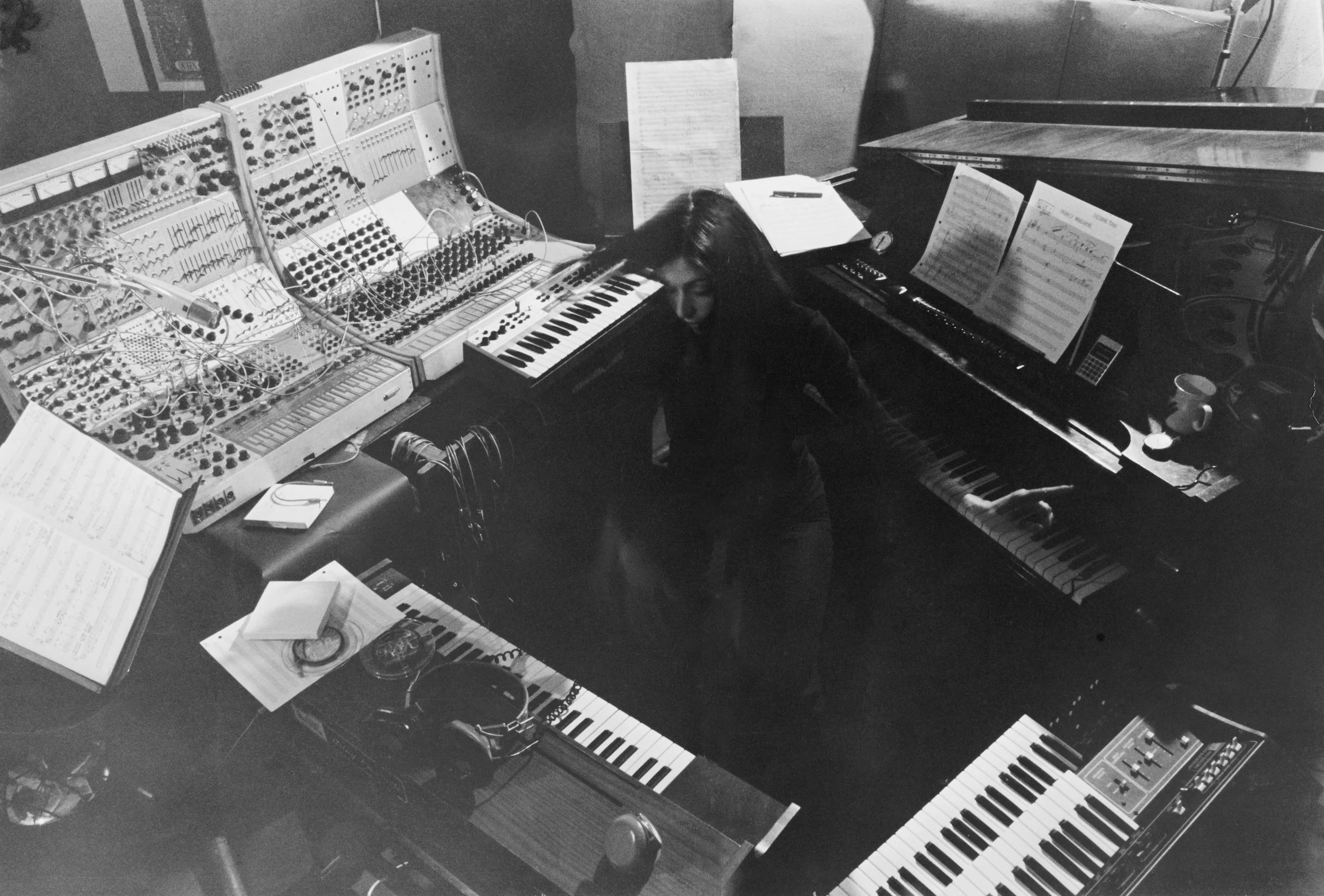
Classically trained before discovering electronic music at the end of the 1960s, Ciani found her defining instrument in Don Buchla’s revolutionary modular synthesizer. At a time when electronic sound itself remained largely foreign to the public — and women were routinely shut out of the studios, institutions, and technical roles surrounding it — Ciani entered largely uncharted territory. Her early performances were so unfamiliar that audiences searched for hidden tape recorders, unable to comprehend that the sounds they were hearing were being created live. Rather than conform to an industry that offered her few obvious paths forward, she found another way through.
That path would make Ciani one of the most influential sound designers of her generation. Her groundbreaking commercial work brought electronic sound into everyday American life, most famously through Coca-Cola’s enduring “pop-and-pour” sonic logo. For Bally’s Xenon, she designed the machine’s sounds and supplied its voice, bringing an unexpectedly sensual, human dimension to technology. Yet commercial success was never separate from artistry for Ciani; it gave her the freedom to finance the work she considered her children. Her 1982 debut, Seven Waves, followed by records including The Velocity of Love, established a body of work where classical composition, electronic experimentation, nature, and emotion could coexist without hierarchy.
Ciani’s significance, however, extends beyond the sounds she created. She built her career in spaces overwhelmingly controlled by men, enduring closed doors not by waiting for permission to enter, but by redirecting her energy toward places where she could create freely. Decades before modular synthesis became an established musical culture, she was treating machines as expressive, performative instruments and spatial sound as an integral part of composition. The world that once struggled to understand what she was doing has, in many ways, finally caught up.
Today, as younger generations rediscover analog synthesis and Ciani’s early work receives the recognition it was long denied, her iconic legacy feels as much historical as it is strikingly alive. Over half a century into her career, she remains proof that the most enduring forms of innovation begin not with technology, but with the audacity to imagine what it might make possible.
KP: Regarding your origins, you’ve traced your fascination with sound back to a childhood experience of removing your bathing cap in a swimming pool and suddenly hearing the water around you. I wondered if you saw that moment differently now, knowing how central water and spatial sound would become to your work.
SC: You know, I still think of it as a very defining experience — the sparkle of the sound and also the abstraction of the sound. Sound is everything. It’s speech, it’s music, it’s this and that, but it’s also just pure poetry, like the sound of sparkling water.
So, I think that still holds. When I think about that moment, I realize that it’s also just about pure sound. And yes, water is very important. Water is my life. The ocean is my life.
KP: Though I was born in Brooklyn, I spent most of my childhood oceanside, so I very much relate.
And you’ve said that your most consequential music education happened outside of the prestigious institutions that you attended. I wonder what you felt academia gave you, and what do you feel you ultimately had to unlearn, if anything?
SC: I always had a little bit of reservation about academia. I, for instance, would never have put myself in a conservatory because I saw that people in the conservatory were very competitive. To me, music is emotional.
So, it’s a complex observation, because certainly there’s a lot of training that’s valuable in fundamental ways in music, but I think they miss the big picture. And the big picture is being in the moment — not in the history, but in the actual moment of making the music.
Over the years, I actually have less and less awe of academia. I find it often to be petty. I don’t know if I should be saying all of this —
KP: No, no! [Laughs] I completely agree. That’s why I’m asking, because I very much agree with you.
I find the concept of formal education pretty interesting. I started my career when I was 14 in fashion publishing. Then, when I was around 19 or 20, I started really getting into photography, and I held an exhibition that existed entirely of abstract self-portraits.
It’s fascinating because I never studied photography. I was a business major at Parsons — which I didn’t enjoy studying, but that’s another story. I remember when I exhibited the photographs, people were left just dumbfounded at how they were shot. You had all of these very professional photographers who couldn’t understand the mechanisms of anything that they were looking at. It really wasn’t because I’m so brilliant, of course! [Laughs] I think it was simply because I had no formal training, so I didn’t have any formal architecture that held me back.
So the reason I asked about unlearning is because sometimes I feel the more education you have, the more it can become a prison when it comes to certain aspects of art. I understand exactly what you’re talking about.
SC: Yeah! And, you know, life itself is a feedback system — you’re constantly learning from your own experiences. There’s learning that comes prefabricated as to what you might need in life, but learning is also something that occurs organically.
When you’re self-taught — I mean, I learned that in the Buchla. There was no place to study it. That organic experience of learning through doing is very valuable.
But we do have — and we’re all aware of this — a history of collective learning, and sometimes we need to honor that and get it in perspective. You can’t pick up a violin and say, “Hey, I know how to play this.”
But I think creatively, what we’re talking about is the freedom. That’s so important.
KP: Absolutely! For sure.
You encountered computer music as early as 1969 and spent time around the Stanford Artificial Intelligence Laboratory. I can only imagine how awe-inspiring it probably was. What did that environment make you believe was possible for music that maybe you hadn’t been privy to prior?
SC: I don’t think I saw where it was all going back then — I was in this cocoon of the digital world. The computer was the size of a freezer. We computed our music and got it the next day. We had to use the laboratory at 5 a.m. It was just an out-of-the-norm situation.
But what was going on there was one of the first music scoring programs. I had Max Mathews, the father of computer music, and John Chowning, the father of FM Synthesis. So, it really was — what’s the word? You’re the writer here!
KP: [Laughs] Oh, hardly! Trust me. [Laughs]
SC: [Laughs] Well, it was all there. But did I know what it all meant? No, I didn’t know what it all meant at all. But did I love it? Yes. It was magical to be able to put numbers in, but it was not real-time.
So, in a sense, it was a way of learning stuff that I wasn’t going to use directly again, because my passion became analog, not digital.
KP: Right.
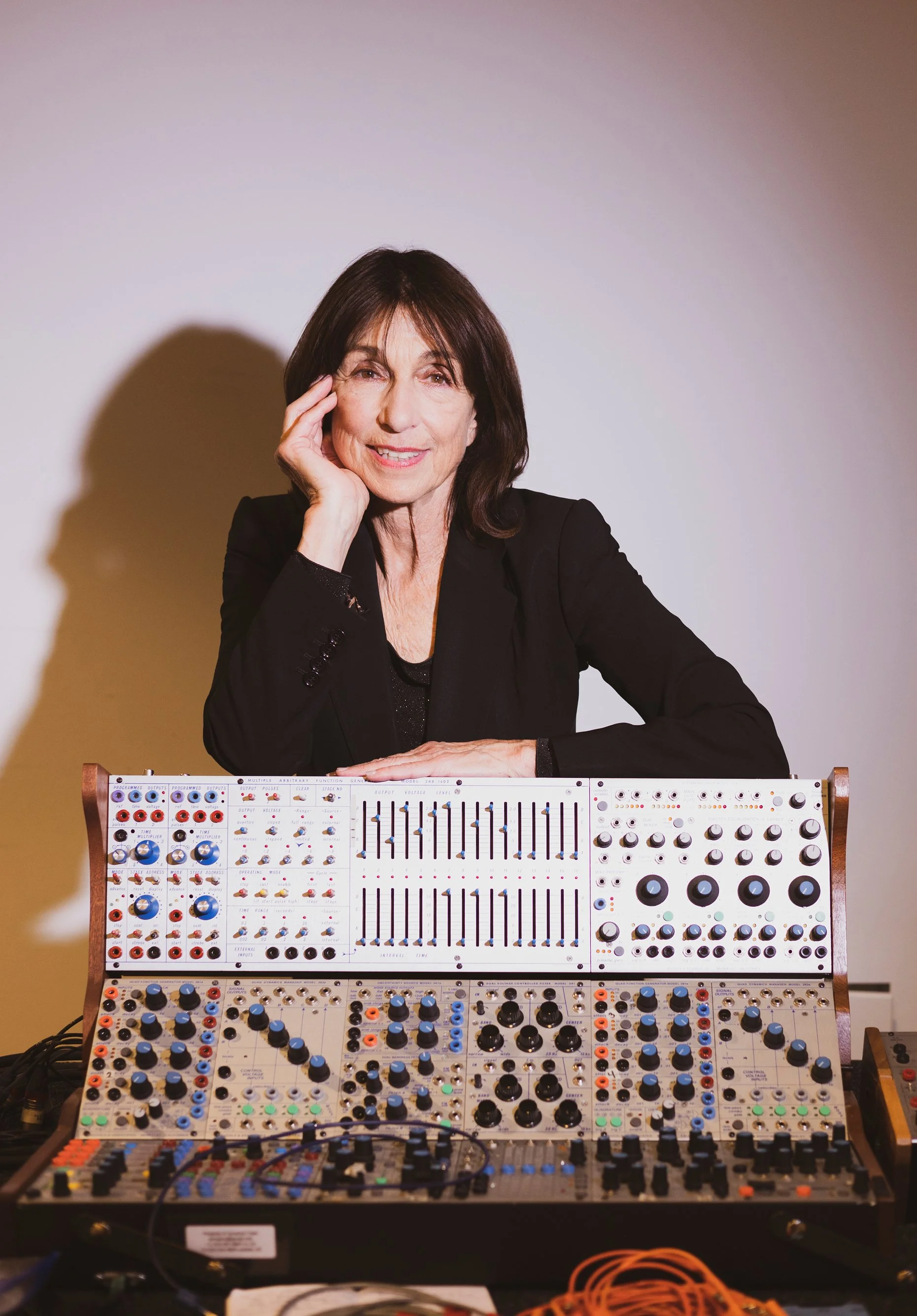
“Sound is everything. It’s speech, it’s music, it’s this and that, but it’s also just pure poetry, like the sound of sparkling water.”
SC: But did all that training help me? Absolutely. Could I have designed sounds for the DX7 without that training? No. So, it was valuable training, and I’m glad I did it, but it wasn’t exactly the path that I took for my own music.
KP: And speaking of that, you described encountering the Buchla synthesizer as “love at first sight.” What did you recognize in that that perhaps you weren’t finding elsewhere? What channels do you feel it initially opened for you?
SC: Well, for one thing, it’s intuitive. I liked using this feedback system. It was something that you could learn by doing, and it also gave back to you. So, it was a partner. It was almost human, because it did have a brain. It does things in a predictable way that are consistent.
I always say the machine is always right. If you don’t get the result that you’re looking for, you should just look at what you’ve done. The machine is predictable in a way. Even when it’s random, it’s randomly predictable.
People used to look at these machines as outside of predictability, like, “Oh my God, nobody knows what’s going on!” In fact, they’re very predictable, at least in a complex way. Once you discover the complexity of the predictability, then you can play it.
KP: That makes a lot of sense to me, but I can only imagine. I’m just a guitarist and a pianist. I started classically training in piano when I was about five, and then I moved to electric guitar when I was around seven. But I’ve never composed any type of electronic music before, so it’s so fascinating to me. It’s like a whole other world.
When you began performing electronic music publicly, I found this so interesting: you said that audiences sometimes searched for tape recorders because they just couldn’t comprehend that the machine itself was producing these sounds. What was it like creating work for an audience that didn’t yet have the framework for understanding exactly what you were doing? I can imagine that’s an incredibly unique experience.
SC: It was very lonely. It was kind of astonishingly lonely. It’s like I couldn’t believe that there was no listening for this.
Then I realized that it was because nobody shared my experience. They didn’t have these machines, and they had no experience with them. So, I realized that I had to cultivate the listening of my audience. I had to teach them, in a way. I had to explain what it was that I was doing.
Now, in your photography, you said they didn’t know what you were doing, but the viewers could respond to it, right?
KP: Yeah, they could. Absolutely.
SC: So, how much comprehension do we really need? I think the fact that they understood photography in any sense was already a platform for being able to absorb your art. But in my case, there was no shared platform at all. That platform of electronic music didn’t really exist back then.
So, yeah, it was very lonely. It was as if somebody looked at your photograph and had to touch it to see if that’s what it was.
KP: That’s so interesting. I feel like now we’ve advanced so deeply with technology that you can nearly imagine anything. But back then, that was very much not the case. It’s so fascinating.
I’m a native New Yorker, and you arrived in New York as a performer in the ’70s. As someone who can only fantasize about and rue our earlier days here, I wondered what you remembered about the city back then and the experimental community that you entered.
SC: The thing that struck me immediately about New York was just the air, the energy, the life force that you experienced just by being in that city. It was like it lifted you off your feet. I don’t know what it was. There was nothing like it.
I think that’s still the case. I love getting off an airplane and, as I drive into the city, feeling that energy. It’s like anything is possible, right? And it’s free. It’s total freedom.
There are all of these people in one place, but they all love freedom. You can do anything you want. Should they have more rules and restrictions with so many people close by? I don’t know. I mean, it’s just the sense that everybody’s an individual, and that’s powerful. It’s freeing. It’s freedom.
But — to answer your question more directly — we had the downtown scene. SoHo before it was Disneyland… Dickie Landry — he was a photographer, and he was a buddy. I was with Robert Hughes, who was an art critic. There were a couple of art galleries — it was just very simple. We also had Phill Niblock, who hosted concerts in his loft, one of mine being later released by Finders Keepers on Buchla Concerts 1975. There was a lot of art, and a lot of the impact of the art was not sonic art. Philip Glass was there. I worked with Philip. I worked with Ornette Coleman — he was also there.
But I think New York was this merger of all art forms at the same time. The visual arts — I mean, everybody was a visual artist, and I was always jealous because they had something that they could sell. They could make a living. Whereas with music, we didn’t have anything to sell. There were no CDs, no LPs, no nothing.
Philip Glass was doing performances uptown on the Upper East Side in the apartments of rich people, and that was what you did. Or there was The Kitchen.
KP: I am envious of all of this! My family came here from Italy, and they settled in Brooklyn. We’ve been here for decades now, but it still sounds like a magical land to hear about compared to today.
SC: Where in Italy?
KP: Naples.
SC: Oh, wonderful! Okay.
KP: You’re Italian, too, right? Well, I was born in Brooklyn, so I’m not technically —
SC: Well, I was born here, too, but I don’t know… My heart is very much in Italy. I love Naples.
KP: My grandfather was from Ischia, but my grandmother’s family was a little more mainland.
SC: That’s so wonderful. I love all of those areas. I probably will go back to live there at some point. It’s so beautiful.
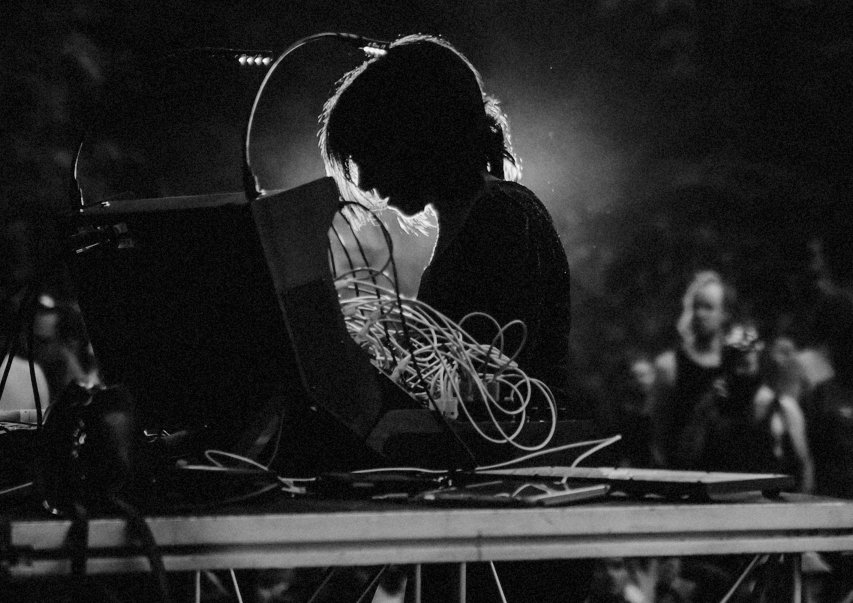
“I work purely intuitively. When I’m creating sound, I have this automatic pilot that I just trust, and I do what it says. There’s no thought process, there’s no analysis, there’s no logic. It’s just impulse.”
KP: It’s so, so beautiful. Maybe I will for a bit one day, too.
When you were building your career, electronic music and audio engineering were overwhelmingly male spaces, as I believe they still are relatively. I wondered where you encountered the greatest source of resistance and how you sought to overcome it.
SC: Well, I think overcoming it was really the path, right? You know, I wanted to be an engineer. I couldn’t get hired. So, I’d find something else, and you just keep redirecting your energy until you can find an opening.
My opening was designing sound. All of a sudden, I found out that I could make money by doing this thing with the Buchla.
When I first started, I didn’t have the machine, but I was lucky. I had the San Francisco Tape Music Center, which was housed at Mills College. Truly, you weren’t allowed to do commercial work there, but nobody was there — it was an independent facility housed in a college.
So, I did my first commercial work in the dead of night there, hiding the scripts in a drawer. And that paid off, right?
I couldn’t be an engineer. I was at graduate school at UC Berkeley — they got a Moog my second year, and they wouldn’t let me touch it.
KP: Wow.
SC: Well, it was all of these closed doors, right? You just have to take a left turn or a right turn or whatever it is.
KP: When I speak to a lot of female pioneers, as you are, some women view those constraints as useful in the sense that perhaps they felt freer because there were no expectations placed upon them as women. Maybe people didn’t expect them to be all that good at something or to even have access to certain things.
Did you ever feel that being underestimated was almost a superpower? Do you feel like it allowed you to experiment more or take the road less traveled?
SC: Well, I think women became overqualified because they didn’t understand why they were being blocked out. They thought it was a judgment about their skill level.
So, they developed superpowers. They got so good, and it still didn’t work. But as my mother would say in all her wisdom, “If you don’t find something, you’re looking in the wrong place.”
So, we were looking in the wrong place. We were saying, “We need to prove that we are good enough, that we are capable, that we can do it.” And that wasn’t it at all. They didn’t want us to be good.
KP: That’s a great point.
SC: They wanted us to leave them alone. They had their comfort zone, and they didn’t want us in it. We spent a lot of valuable time getting good at stuff, and it didn’t help.
I think now we’re at a point where we’re indulging — not trying to compete. We’re making our own worlds. We have a critical mass. I have women in positions of power that I can share my work with.
Does it mean that we’re separate always? No. But it gives you a comfort zone in the same way that men have a comfort zone for being with each other. I think it’s important for women to experience that comfort zone and to respect it.
I mean, it took me years. My dad was an orthopedic surgeon, and he placed no value on women in medicine. It took me ages to be able to go to a female doctor because I was educated by him that women weren’t good enough to be doctors. That was built into me.
I now appreciate and respect women doctors, but I had this particular kind of resistance in my case.
KP: That makes a lot of sense.
Something else that I was thinking about, regarding you being a pioneer: a lot of people pioneer things that already have existed, but just in different ways. Better mousetraps, as we often call them. But, as we were speaking about earlier, you pioneered something that people couldn’t even begin to comprehend. It was something totally new, this completely unexplored frontier.
I just wondered if there was any frustration in watching culture eventually celebrate and welcome ideas that had been difficult to get people to understand when you were first pioneering them. Did you ever look back with almost an “I told you so” type of attitude, if you know what I mean?
SC: No, I never did. I suppose I don’t really care about that.
I think, for me, the perspective of this type of music goes way, way, way back. I think technology is a tool for manifesting ideas, and also it can lead to new ideas. But if you look at the root system, the conceptual nature of these things goes way back before there were the tools to produce them.
So, I’m aware of the concept of this music and technology. There was, in 1905, a mechanical — call it a synthesizer system — but there was no technology. I think this machine that I loved came into being because of the transistor — we suddenly got a part that allowed making a small, performable machine.
Yes, nobody understood it, but I feel like I’m just part of a very large picture. And because I’m not possessive about it, I’m a tool. My job was really to share my passion and love for what this gave me and what it would give to everybody.
The other thing about this medium, and also in photography as you noted, is that as a tool, there’s no limitation on the forms of expression that can come. None. No limit. I mean, it’s huge. It’s vast. It’s personal. You find your special way of being with it as an artist. Artistry is really one of the most important expressions for me because I think, when we talk about AI and giving control to the machine and all that, we forget about the power of pure artistry.
We don’t come from a culture where individual expression is not okay. We’re American — we honor individuality. To me, that is just, in my limited perspective — I know there might be a different perspective — but I think creativity is born in the individual. So that’s what I think these tools give us: the power to express our individuality.
Well, I know I’m talking a lot. I don’t know —
KP: No, no, no! It’s beautiful. Keep talking! [Laughs]
But to revisit something you touched on earlier: you were unable to secure conventional support for your very earliest electronic compositions, so you built a remarkably successful career in commercial sound design.
Was that initially a means of financing your art — which possibly might have felt more creative in the more traditional sense — or did you regard commercial sound as a whole other legitimate form of composition for yourself?
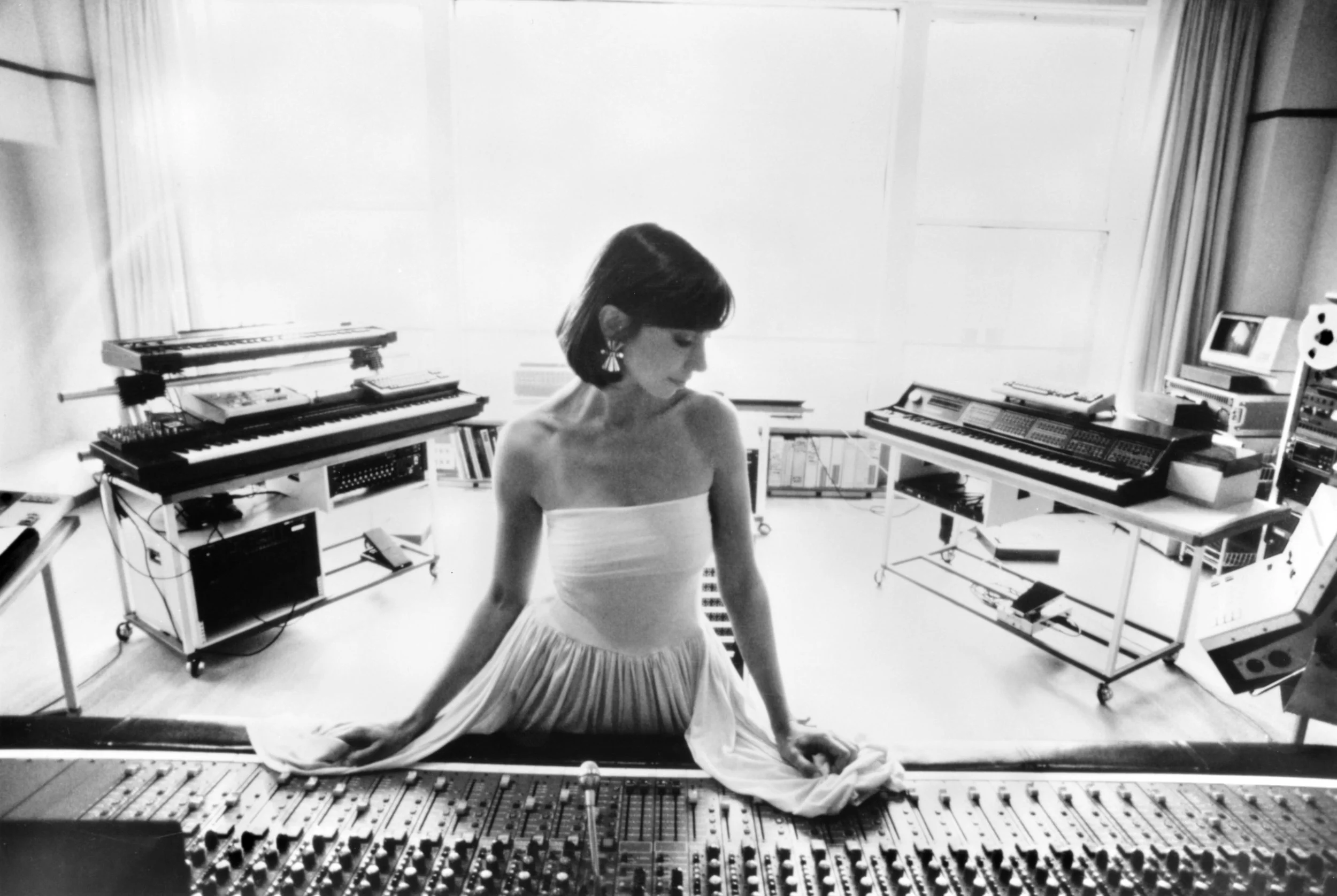
SC: The latter, absolutely. I worked as an artist.
My mentor — one of the people that became my guiding force — was in photography. Ilse Bing, who was 80 when I met her, was called the “Queen of the Leica.” Like many photographers, you’ll find that they all worked for magazines and commercial outlets as artists. Irving Penn, Ilse Bing — it doesn’t mean that you’re losing your identity. You’re working as an artist in those fields. There’s also room for that.
I think it was a win-win situation. Yes, I got money, and I needed the money to create my art.
I think it’s a big burden on your art — your purest form of art, whatever that is — to burden it with having to make money, because then you’re going to try to make a pop song, so to speak.
I mean, my commercial work — I worked as an artist, but was that my primary goal? No. My primary goal was my albums that I wanted to make. They were my children. I thought of them as my children, and I still think of them that way.
KP: We’re going to touch on that in a minute, but I can’t help but ask one specific question first.
Anyone who knows me personally knows that I am a Coca-Cola addict. You hear me tapping my can? My empty can? [Laughs]
SC: I do! [Laughs]
KP: I crush about four a day. It’s very, very bad, and I need to stop. My preference is Mexican Coke, but today I had to stick with the American high-fructose corn syrup — a far inferior version — because they didn’t have any [Mexican] in stock. It’s okay. Not the best, but it’s all right. It’s certainly better than nothing! [Laughs]
SC: [Laughs]
KP: That said, I cannot resist asking this question.
For those who don’t know — but I do, of course [laughs] — you created Coca-Cola’s famous “pop-and-pour” sonic logo using the Buchla.
How do you approach making a sound communicate an entire physical sensation in only a few seconds? And did you ever suspect upon making it that it would become as iconic and as enduring as it is today?
SC: Interesting question, really.
So, for the first part of that question, I work purely intuitively. When I’m creating sound, I have this automatic pilot that I just trust, and I do what it says. There’s no thought process, there’s no analysis, there’s no logic. It’s just impulse.
I work impulsively, and I did that always in advertising. The first idea that comes into my head — that is my power. It comes like a flash.
On the other hand, did I know that it was going to become iconic? Well, let’s think about that for a minute. When I was asked to do the sound, my brain — I have two sides to my brain. One is the survival side, where I was doing this work to maximize my financial gain, and I had learned a little bit about the business by then.
Somewhere deep inside, I knew that if I could make a sound that would work any place — in other words, don’t make a sound that has a key center, because if the jingle is in the wrong key, it won’t work — my instinct was to make a sound that would work any place.
And it worked. I did that.
KP: Yeah, I’d say it worked. [Laughs]
SC: I got paid for that job, and then they used it every place, in every commercial, all over the world.
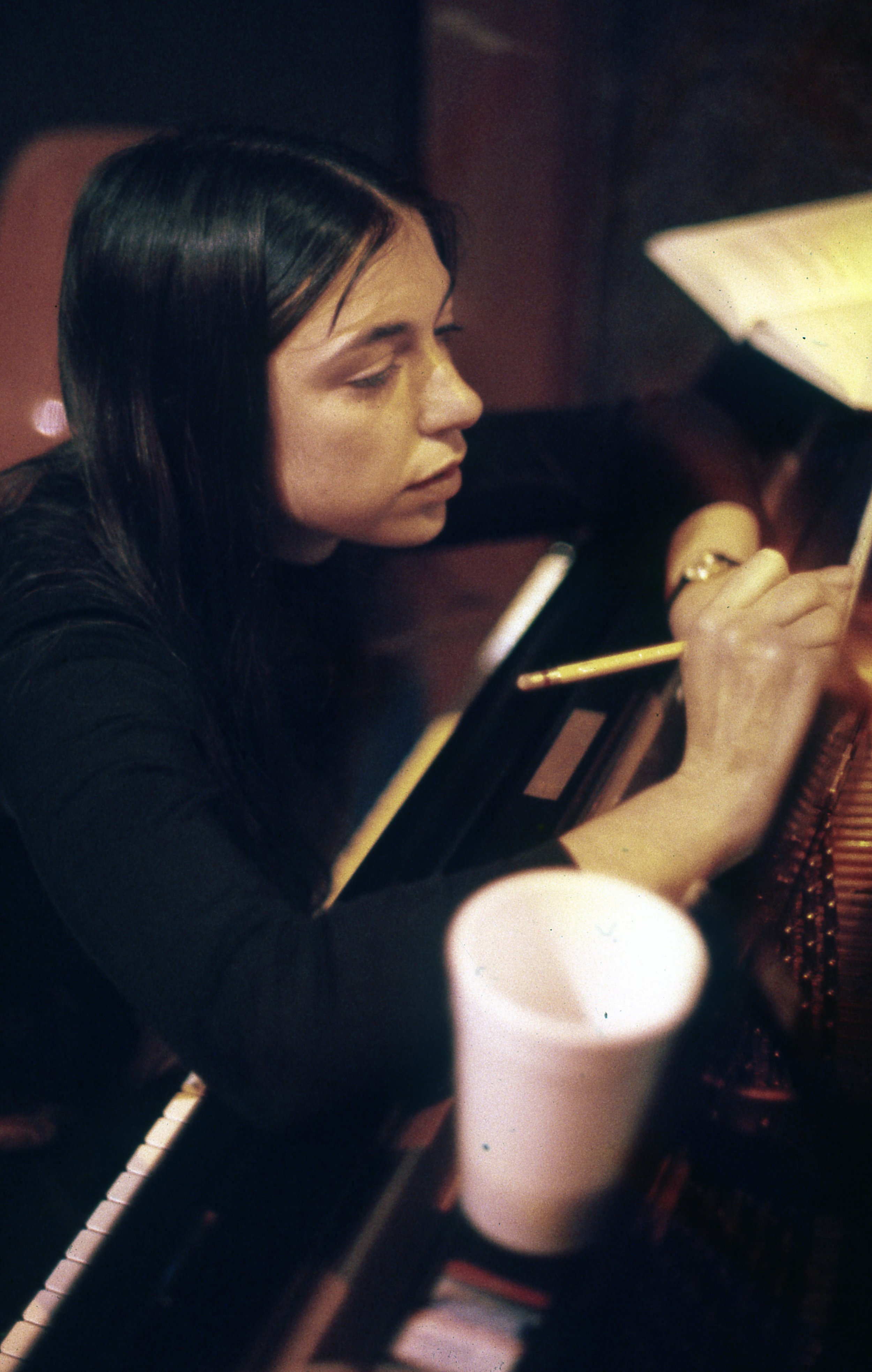
“When I was younger, if you were a woman and you hadn’t so-called succeeded by the time you were 30, you were over. By 40, you were absolutely done. What I would say now is, there is no rush. There’s no clock on your evolution — it just goes on and on.”
KP: It’s iconic. Just brilliant.
But you also designed sounds and provided the voice for Bally’s Xenon, the first pinball machine to feature a female voice, which is very cool. What interested you about giving a machine a sensual, more human-like personality?
SC: A couple of things.
One, I was watching the way that people played pinball, and I saw it as interactive. They would push the machine, or they would react to it. It was an emotional experience.
And I’ve always — because I’m female — I just think women are sensual. I mean, in a different way from men. I’ve never even tried to quantify it, but I think we’re all flirts. Maybe I just know that I was. [Laughs]
I love the soft. People look to technology as something hard and mechanical, and I looked at it as something sensual. I wanted to bring out the sensuality.
KP: That’s so interesting.
SC: It’s funny because years later, and still to this day, I’ll get comments from guys who said, “Oh my God, I ran into a Xenon machine when I was nine,” and it was like they had this kind of sexual experience with it.
KP: [Laughs]
SC: I think, “Oh my God, I had no idea.” I was being playful and having fun. “Try me again,” all those — it was just playful to me, but I guess it was also kind of sexy.
KP: That’s amazing!
But to touch on your albums, too: you spent roughly two years making Seven Waves, from what I understand, which was largely on weekends because you were financing it through your commercial work.
What did finally making an album under your own name represent to you, and what did it accomplish that you felt you were not able to otherwise achieve?
SC: Well, when I did that album, my sense of it was that it was everything — that I was never going to make another album. That I had fully made my statement. That it was complete. It was perfect. It was just what I wanted, and that was it.
I never saw beyond that. That was my goal, and that was a goal that had carried me for many years, getting that album done.
So, that was a real milestone for me. I didn’t think of it as, “Oh, album number one, and now I’ll go on.” I was done.
KP: Wow. I also read that it took quite a lot for you to secure that deal to get that album out. I was wondering what type of persistence it took from you to get it there? And where do you think that persistence comes from within yourself?
SC: One thing, as I said, because I thought of this album as my child… just as I wouldn’t give up my child for adoption, I wasn’t going to give this album to a major label.
So, that was the beginning of my firm stance on it as an independent artist. I did get deals. My first deal was in Japan. It was always a license, right? And it was my stubbornness not to sign a deal. I never wanted to sign a traditional record deal.
And I did that. I licensed it. I licensed it to RCA. I licensed it repeatedly, but I always kept ownership.
Then I had my second album, and I own that. But then my albums after that, they’re on Sony.
And regarding perseverance, I know that I’m stubborn. I know that I’m dogged about what I want. How did I get that way, though? I’m not sure.
Maybe it’s because I’m the third child in a big family, and that was a good position, being number three out of six. When you come from a big family, you do learn how to take care of yourself. I had to do it myself. Nobody was going to do it for me. We didn’t have helicopter parents. We didn’t have people wanting to do stuff with us. I mean, I took myself to piano lessons. I wanted piano lessons, and nobody would pay attention to my desire, so I figured out how to do it myself.
I think it’s tough love if you’re a parent to allow your child to discover their own direction. I had that because I had a big family. They didn’t even know my name sometimes! [Laughs] There were six kids, and my father would say, “Which one are you?”
KP: My mom was one of five. I’m only one of two, but much of what you’re saying I have heard from my mother.
SC: And I don’t know about you with the Italian, but my father, for instance, just thought I was supposed to get married.
KP: Yes, of course.
SC: Did you get married?
KP: Not yet! I’m 32. I think, especially in New York — being a Brooklyn-born Italian female, I should say — things are expected of you, right? By a certain age, you should have ticked this box and that box — you will be married, you will be a mother, you will be at home and take care of the kids. My father’s family was very traditional in that sense. And I have none of any of that. I spit it out!
SC: Right, right, right. Oops! [Laughs]
KP: I’m very nontraditional, which I think was a hard pill for my father to swallow. I’m his only daughter, too. I have a brother. I think there are certain things that were always expected of me that I will simply never be. So, yeah, I think it’s a challenge for them.
SC: Yeah. No grandkids from you?
KP: No grandkids from me yet.
SC: That’s why having a big family takes some of the pressure off.
KP: It definitely does. Then you have, like, five other siblings you could sell that off to. [Laughs]
But I want to speak about your documentary, A Life in Waves, which introduced your work and story to another generation. Was there anything about seeing your life assembled in a film that changed the way that you understood your own trajectory?
SC: Well, at the time of making that film, I was just really at the beginning of my electronic comeback, and I wasn’t there yet mentally.
The directors saw it and focused on it, and I kept disagreeing with them. I said, “Well, what about the classical music? What about the piano? What about all that?” Myself as a composer traditionally.
I didn’t know I was going to come back. I say “come back” because it really was coming back.
I know they did touch on it, but that was the very beginning of the phenomenon of revisiting analog modular live performance.
So, yeah, that was a lesson to me that I don’t truly know what’s going on.
KP: You spent much of your early career trying to convince people that electronic instruments could be expressive, performative instruments. More of a hypothetical question — or existential, perhaps — but do you feel that battle has finally been won?
SC: I do, only because there’s a new generation. The kids are actually playing these instruments live, and I couldn’t be more thrilled.
I am so incredulous that this has happened because you have to understand that I thought it was going to happen 40 years ago, and it didn’t. The fact that it’s happening now is nothing short of a miracle to me.
I credit the kids for taking us backwards because technology marches forwards and they put the brakes on. They said, “Wait a minute. We missed out on something.”
It’s a miracle. It’s really the first time, I think, in our culture that this type of dynamic has happened. When have we gone backwards before?
KP: It’s true. I don’t know. That’s very true.
And speaking of the youth, what advice would you lend to women who seek a career in music today?
SC: Be yourself. Trust yourself, and don’t sell out. Be who you are. Don’t conform. Make space for your unique identity.
And I think we’ve seen that a lot. There are a lot of things that are just out of the box now. There’s no real recipe anymore. The major labels used to try to put people in boxes and have them be predictable, and now there’s a lot of space.
KP: On a personal level, what would you tell your younger self?
SC: Well, I know what I wanted to tell my younger self.
When I was younger, if you were a woman and you hadn’t so-called succeeded by the time you were 30, you were over. By 40, you were absolutely done.
What I would say now is, there is no rush. There’s no clock on your evolution — it just goes on and on.
Don’t prejudice your view with time. You can say, “Hey, I’m 32 and I’m not married.” But I got married at 48! You can get married at 90. Or you don’t have to get married at all! There’s no clock on any of this.
You can have children if you want to now or freeze your eggs to have them later. Do not worry about time.
KP: I think a lot of women need to hear that.
And finally, what do you feel makes a provocative woman?
SC: Good perfume. [Laughs]
KP: [Laughs] That’s a new one!
SC: I believe the French invented the provocative female. So, it’s all there. [Laughs]
I think that a sense of mystery is provocative. And where do you get that mystery? I don’t know. But I think it’s always an important element in provocation.
Photography (in order of appearance): Dan Wilton, Katja Ruge, Michela Di Savino, Nick Sangiamo, Richard Beggs, Richard Beggs, courtesy of Suzanne Ciani